 The Centre of Excellence for Commerce,
Management & Law Coaching in Nashik
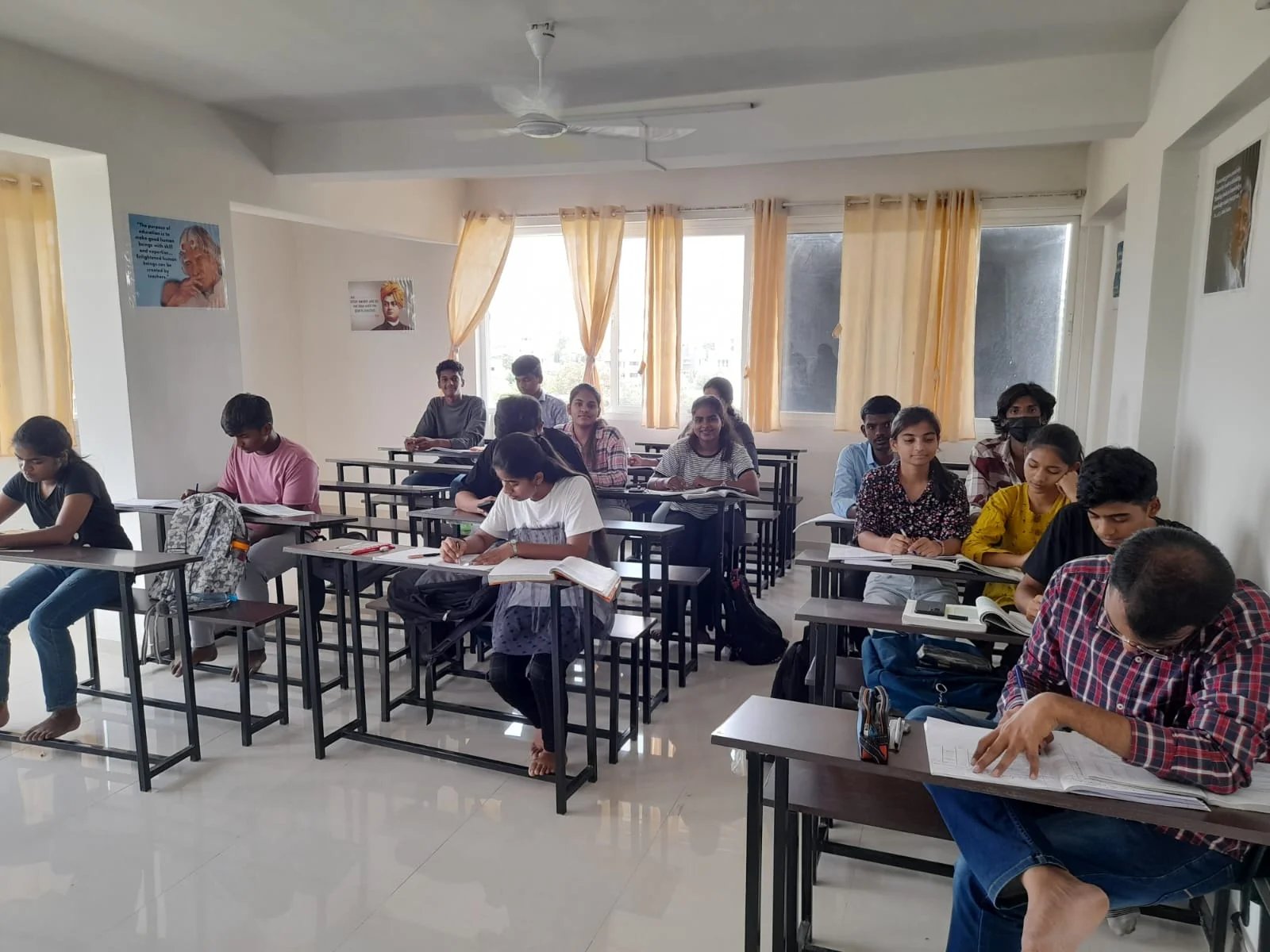
Drawing is more than just an art form; it's a vital tool for cognitive and emotional development. At Dnyanvardhini Coaching Institute, we encourage students to explore their creative side through regular drawing and art sessions.
Drawing gives students an opportunity to express their thoughts, ideas, emotions, and imagination in a visual form. It allows them to communicate creatively while developing patience, observation, and attention to detail.
Why Drawing Matters in Education
Creative activities such as drawing can make learning more engaging and enjoyable. When students draw, they learn to observe shapes, patterns, proportions, colours, and details carefully. These experiences can support their ability to understand and remember information.
Drawing also encourages students to think independently. Instead of searching for one fixed answer, they can experiment with different ideas and develop their own creative solutions.
Developing Fine Motor Skills
Regular drawing practice involves controlled movements of the fingers, hands, and wrists. Holding pencils, brushes, crayons, and other drawing tools helps students improve coordination and fine motor control.
Giving students the freedom to create and experiment helps them express their ideas confidently and develop a positive attitude towards learning.
Enhancing Visual-Spatial Intelligence
Drawing requires students to understand how objects relate to one another in space. They learn about size, distance, direction, proportion, and positioning while creating pictures and designs.
These visual-spatial skills can support learning in areas such as mathematics, science, design, and other subjects where students need to interpret diagrams, shapes, structures, and visual information.
Encouraging Imagination and Innovation
Creativity grows when students are encouraged to explore their imagination. Drawing provides a simple and enjoyable way for students to turn their ideas into something they can see and share with others.
By experimenting with different subjects, techniques, and styles, students can develop curiosity and become more comfortable with trying new approaches. This creative mindset can be valuable both inside and outside the classroom.
Drawing as a Form of Self-Expression
Not every student finds it easy to express thoughts and feelings through words. Art can provide another form of communication, allowing students to represent emotions, experiences, and ideas through images.
A supportive environment where students can create without fear of making mistakes can help them become more confident and comfortable with their individuality.
Building a Well-Rounded Learning Experience
Education becomes richer when academic learning is complemented by creative activities. Drawing can encourage observation, concentration, patience, imagination, and independent thinking while giving students an enjoyable break from routine academic work.
At Dnyanvardhini Coaching Institute, we believe that nurturing creativity can contribute to the overall development of students. Regular opportunities to draw, create, and explore can help students develop a more open, innovative, and confident mindset.
Discover the power of creativity and encourage students to keep exploring, creating, and learning through art.